



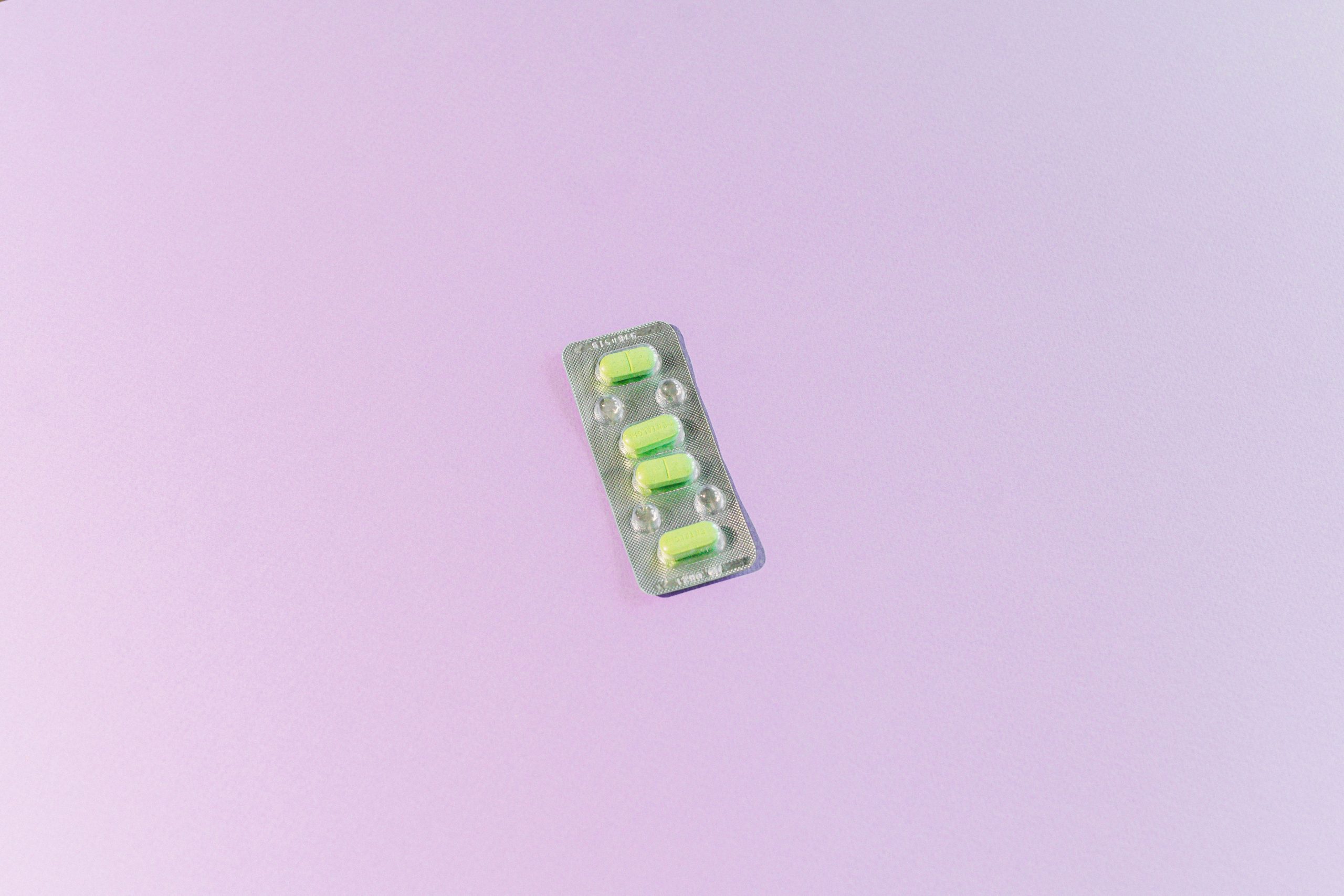
Excedrin Migraine Alternatives for Headache Relief
Excedrin Migraine is an over-the-counter option for acute migraine pain, but it may not fit every treatment plan. Its label limits use to two caplets in 24 hours unless directed by a doctor and warns that headaches may worsen when the product is used for 10 or more days per month. These considerations lead some adults to explore other medications, supportive strategies, and drug-free treatments for acute relief and prevention.
Key Takeaways
- Frequent Excedrin use can worsen headaches: The current Excedrin Migraine label warns that medication overuse headaches may occur when the product is used for 10 or more days per month.
- Cefaly supports acute and preventive treatment: Cefaly is an FDA-cleared external trigeminal nerve stimulation device for the acute treatment of migraine with or without aura and the preventive treatment of migraine in adults 18 and older.
- Cefaly is prescription-free in multiple regions: It is available without a prescription in the U.S., Canada, the EU, and other countries, although product features and support services may vary by region.
- Drug-free does not mean risk-free: Cefaly does not introduce a medication into the body, but users should still review contraindications, side effects, and device instructions.
- Acute and preventive care serve different purposes: Excedrin is used after a migraine attack begins, while preventive approaches are intended to reduce migraine frequency over time.
Why Consider Alternatives to Excedrin Migraine?
Excedrin Migraine contains acetaminophen 250 mg, aspirin 250 mg, and caffeine 65 mg in each caplet. The labeled adult dose is two caplets with water, with no more than two caplets in 24 hours unless directed by a doctor.
Medication Overuse Headache
The Excedrin Migraine label warns that headaches may worsen if the product is used for 10 or more days per month. Frequent use of acute headache medicines can contribute to a medication overuse cycle, so people who rely on them regularly should discuss their treatment pattern with a healthcare provider.
For more context, Cefaly explains how frequent acute medication use may contribute to medication overuse.
Label Warnings and Precautions
Because Excedrin Migraine combines three active ingredients, its label includes several important precautions:
- Acetaminophen: Taking more than directed, combining it with other acetaminophen-containing products, or using it with substantial alcohol intake can increase the risk of severe liver damage.
- Aspirin: As an NSAID, aspirin can increase the risk of stomach bleeding, especially in people with certain medical histories or those taking anticoagulants, steroids, or other NSAIDs.
- Caffeine: The recommended two-caplet dose contains 130 mg of caffeine, which may contribute to nervousness, irritability, sleeplessness, or a rapid heartbeat in sensitive individuals.
- Medication interactions: The label advises asking a doctor or pharmacist before use when taking prescription medicines or other pain relievers.
No Preventive Indication
Excedrin Migraine is labeled for treating a migraine attack. It is not a preventive treatment intended to reduce the number of future migraine days.
1. Cefaly
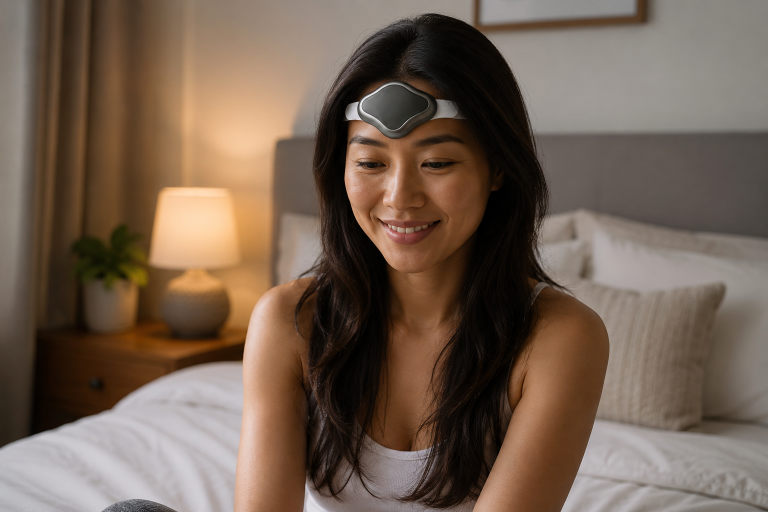
Cefaly is a non-invasive neuromodulation device that uses external trigeminal nerve stimulation, or e-TNS. An electrode is placed on the forehead, between and just above the eyebrows, to deliver electrical impulses to the trigeminal nerve, the primary nerve involved in migraine pain.
Cefaly is FDA-cleared for the acute treatment of migraine with or without aura and the preventive treatment of migraine in adults 18 and older. It is available without a prescription in the U.S., Canada, the EU, and other countries.
How Cefaly Works
The Cefaly device includes two programs:
- Acute program: A 60-minute session used during a migraine attack.
- Prevent program: A 20-minute session intended for daily preventive use.
The Prevent program is designed for one daily session. Acute sessions should be used according to Cefaly’s treatment instructions rather than described as unlimited.
Clinical Evidence
Cefaly summarizes more than 20 years of research, more than 12 clinical trials, and 18 peer-reviewed publications on its clinical studies page. Reported study outcomes include:
- In the ACME study, 79% of participants experienced a significant reduction in headache pain after one hour of Acute treatment.
- In the TEAM study, 56.4% of participants experienced resolution of their most bothersome migraine-associated symptom after two hours of treatment.
- In the PREMICE study, 38.1% of participants achieved at least a 50% reduction in monthly migraine days after three months of preventive treatment.
- The PREMICE study also reported a 32.7% reduction in headache days after three months of compliant Prevent treatment.
These are results from specific study populations and do not guarantee an individual outcome.
How Cefaly Differs From Excedrin
Cefaly and Excedrin use fundamentally different treatment formats:
- Cefaly is drug-free: It does not contain acetaminophen, aspirin, caffeine, or another medication.
- Cefaly includes prevention: One reusable device provides both an Acute program and a daily Prevent program.
- Cefaly does not create pharmacologic drug-drug interactions: However, individual treatment combinations should still be reviewed with a healthcare provider.
- Cefaly has device-specific safety considerations: It should not be used by people with metallic or electronic implants in the head, a cardiac pacemaker, or an implanted or wearable defibrillator.
- Cefaly is not established for every migraine population: Its safety and effectiveness have not been demonstrated for medication overuse headache or refractory migraine.
Pricing, Access, and Support
Cefaly currently lists its device at $509. Replacement electrodes are the primary ongoing product cost, and actual long-term spending depends on use, electrode type, and purchase frequency.
Additional access features include:
- A 90-day satisfaction guarantee for eligible products purchased directly from cefaly.com, subject to the return policy
- HSA/FSA eligibility for the device and electrodes
- Potential reimbursement that varies by insurer and individual plan through Cefaly’s insurance information
- VA healthcare access for eligible U.S. veterans
- Financing options for qualifying purchases
- Free one-on-one guidance through a Cefaly Coach, where available
Who May Consider Cefaly?
Cefaly may be relevant for adults who:
- Want one drug-free device for both acute and preventive migraine treatment
- Prefer a prescription-free option
- Have difficulty tolerating some migraine medications
- Want to avoid adding another medication to their routine
- Value a reusable at-home device with clinical evidence and product-use support
A healthcare provider can help determine whether Cefaly is appropriate based on migraine diagnosis, medical history, implanted devices, current treatments, and individual goals.
2. Ibuprofen
Ibuprofen is an over-the-counter nonsteroidal anti-inflammatory drug, or NSAID, used for the temporary relief of minor aches and pain. Some adults use it as an acute option for migraine or headache pain, but it is not intended for migraine prevention.
Key Features
- Available without a prescription
- Used for acute pain relief
- Does not contain acetaminophen or caffeine
- Carries stomach bleeding and cardiovascular warnings
- Can contribute to medication overuse headache when used too frequently
Ibuprofen may appeal to adults who prefer a single-ingredient OTC pain reliever. Its labeling includes precautions related to stomach bleeding, cardiovascular risk, kidney disease, pregnancy, and interactions with anticoagulants, steroids, aspirin, and other NSAIDs. Suitability depends on medical history, current medications, and labeled dosing instructions.
3. Naproxen Sodium
Naproxen sodium is an over-the-counter NSAID used for the temporary relief of minor aches and pain. It generally has a longer dosing interval than ibuprofen, but it is an acute pain reliever rather than a preventive migraine treatment.
Key Features
- Available without a prescription
- Used for acute pain relief
- Longer dosing interval than some OTC analgesics
- Does not contain acetaminophen or caffeine
- Carries NSAID-related stomach bleeding and cardiovascular warnings
Naproxen sodium may appeal to adults seeking a longer-acting single-ingredient OTC option. Its labeling includes precautions involving stomach bleeding, cardiovascular conditions, kidney disease, pregnancy, and use with anticoagulants, steroids, aspirin, or other NSAIDs. Treatment selection should account for personal risk factors and labeled dosing limits.
4. Acetaminophen
Acetaminophen is an over-the-counter pain reliever and fever reducer. It may be used for acute headache pain and does not contain aspirin, another NSAID, or caffeine, but it is not a preventive migraine treatment.
Key Features
- Available without a prescription
- Used for acute pain relief
- Does not contain an NSAID
- Does not contain caffeine
- Carries a severe liver damage warning when dosing limits are exceeded
Acetaminophen may appeal to adults who need to avoid NSAIDs and whose healthcare provider considers it appropriate. Users should avoid combining multiple acetaminophen-containing products and should follow label precautions related to liver disease, alcohol use, and maximum daily dosing.
5. Triptans
Triptans are prescription medicines developed specifically for the acute treatment of migraine. Examples include sumatriptan, rizatriptan, and eletriptan, with oral, nasal, and injectable formulations available depending on the medication.
Key Features
- Prescription migraine-specific treatment
- Used during a migraine attack
- Available in several formulations
- Not intended for routine migraine prevention
- Includes cardiovascular and medication overuse precautions
Triptans may appeal to adults who need a migraine-specific acute medication and whose healthcare provider determines that the drug class is appropriate. Product labeling includes contraindications and precautions related to coronary artery disease, cerebrovascular disease, uncontrolled hypertension, medication interactions, and frequent use. Selection should reflect migraine symptoms, attack pattern, cardiovascular history, and current medications.
6. CGRP-Targeting Treatments
CGRP-targeting treatments act on calcitonin gene-related peptide or its receptor, which is involved in migraine biology. This category includes preventive monoclonal antibodies and oral gepants that may be used for prevention, acute treatment, or both, depending on the specific product.
Key Features
- Requires a prescription
- Includes injectable and oral options
- Product indications vary by medication
- May be used for prevention, acute treatment, or both
- Side effects and warnings differ across products
CGRP-targeting treatment may appeal to adults seeking a migraine-specific prescription option beyond traditional analgesics or triptans. The appropriate product depends on whether acute treatment, prevention, or both are needed, along with medical history, prior treatment response, pregnancy considerations, cost, and insurance coverage.
7. Supportive Non-Drug Strategies
Supportive non-drug strategies may help some people reduce sensory stimulation or improve comfort during a migraine attack. These approaches do not replace migraine diagnosis, acute treatment, or preventive care, and individual responses vary.
Key Features
- Cold or warm compresses based on personal preference
- Hydration and regular meals
- Rest in a dark, quiet environment
- Cautious use of aromatherapy
- Complementary approaches such as acupressure
Supportive strategies may appeal to people looking for simple measures that can be used alongside an established migraine plan. Some people explore essential oils or pressure points, although strong scents can trigger migraines in sensitive individuals, evidence varies by approach.
8. Lifestyle and Trigger Management
Lifestyle and trigger management focuses on consistent routines and identifying personal patterns that may influence migraine attacks. It is generally used as part of a broader management plan rather than as a replacement for acute or preventive treatment.
Key Features
- Consistent sleep and wake times
- Regular meals and hydration
- Migraine diary or app-based tracking
- Stress-management and appropriate physical activity
- Monitoring of personal environmental triggers
Lifestyle management may appeal to people who want a clearer picture of their individual migraine patterns. The Cefaly app, where available, can track attacks, warning signs, treatments, and selected wearable data. Users may also monitor food triggers, barometric pressure, odors and fragrances, and mindfulness practices. Cefaly’s Prevent program is intended for one 20-minute session every day and may require at least two to three months of consistent use to evaluate response.
When to Consult a Healthcare Provider
Seek prompt medical evaluation for:
- A sudden, severe headache or the worst headache of your life
- A new headache pattern after age 50
- Headache after a head injury
- Fever with a stiff neck
- New weakness, numbness, confusion, fainting, or vision changes
- Daily or progressively worsening headaches
- Migraine that does not respond to usual treatment
- Frequent use of acute headache medicine
A migraine diary or app-generated report can help organize information about attack frequency, symptoms, triggers, and treatment response before an appointment.
Choosing an Excedrin Alternative
The most appropriate alternative depends on whether the goal is acute relief, prevention, fewer medication exposures, or a broader treatment plan.
For adults seeking a prescription-free, drug-free device that addresses both acute and preventive migraine treatment, Cefaly offers both programs in one reusable e-TNS device. Its clinical evidence, at-home format, app-based tracking where available, coaching, and 90-day satisfaction guarantee distinguish it from a single-use acute medication. Replacement electrodes remain an ongoing cost, and Cefaly does not cure migraine or guarantee that medication will no longer be needed.
People with frequent, changing, or difficult-to-treat migraine should discuss treatment choices with a qualified healthcare provider.
Frequently Asked Questions
Can I Use Cefaly and Excedrin Together?
Because Cefaly is drug-free, it does not create a pharmacologic drug-drug interaction with Excedrin. However, concurrent use of Cefaly with acute migraine medication has not been specifically studied. Talk to a healthcare provider about how to combine Cefaly with Excedrin or other migraine treatments.
How Long Does Cefaly Take to Work?
The Acute program lasts 60 minutes. In the ACME study, 79% of participants experienced a significant reduction in headache pain after one hour of Acute treatment. Preventive response is evaluated over time, and Cefaly advises allowing at least two to three months of consistent daily Prevent use.
Is Cefaly Covered by Insurance?
Cefaly does not currently have contracts with commercial insurance payors, Medicaid, or Medicare. Some users may be able to submit a claim for possible reimbursement, but coverage depends on the individual insurer and plan and is not guaranteed. Cefaly devices and electrodes are HSA/FSA eligible, and eligible U.S. veterans may obtain Cefaly through VA healthcare benefits.
What If Cefaly Does Not Work for Me?
Cefaly offers a satisfaction guarantee on eligible devices and products purchased directly from cefaly.com. If you are not satisfied, you may return the product within 90 calendar days of the delivery date, subject to the current return policy. Free one-on-one coaching is also available in supported regions to help users with device setup, electrode placement, and treatment settings.
Are There Side Effects With Cefaly?
Cefaly’s published safety information describes side effects as generally minor and reversible after stopping use. Reported effects include sleepiness or headache after a session, forehead redness, nausea, and rare forehead skin allergy. People who experience persistent or concerning symptoms should stop treatment and contact a healthcare provider.






Latest Posts

The Essential Guide To Medical Devices For Migraine
CEFALY is an FDA-cleared medical device that targets the main pathway for migraine pain: the trigeminal nerve (the…
Best Forehead Migraine Device in 2026
Migraine affects more than 40 million people in the United States. For adults who want a non-invasive option…

Best e-TNS Migraine Device in 2026
Migraine is a neurological disease that can affect work, sleep, family life, and daily routines. For people who…