




Ajovy Alternatives for Migraine Prevention
Ajovy (fremanezumab) is a calcitonin gene-related peptide (CGRP) monoclonal antibody used for migraine prevention. It is FDA-approved for the preventive treatment of migraine in adults and for the preventive treatment of episodic migraine in pediatric patients ages 6 to 17 who weigh at least 45 kilograms. However, Ajovy may not be the right fit for every person because of treatment preferences, injection concerns, side effects, access requirements, insurance coverage, or a preference for a drug-free approach.
This guide reviews eight Ajovy alternatives, including Cefaly, other CGRP-targeting medications, noninvasive neuromodulation devices, and supportive lifestyle approaches. Treatment decisions should be made with a healthcare provider who can consider migraine pattern, medical history, current medications, age, pregnancy or breastfeeding status, and individual treatment goals.
Key Takeaways
- Cefaly offers drug-free acute and preventive treatment: Cefaly uses e-TNS technology to stimulate the trigeminal nerve through an electrode placed on the forehead. It provides a 60-minute Acute program and a 20-minute daily Prevent program.
- Cefaly does not require a prescription: It is available without a prescription in the United States, Canada, EU, and other countries, although product models and support services vary by region.
- CGRP-targeting options use different formats: Alternatives include monthly injections, quarterly infusions, orally disintegrating tablets, and daily tablets.
- Access requirements vary: Prescription, prior-authorization, step-therapy, reimbursement, and documentation requirements depend on the treatment, insurer, and individual plan.
- Migraine treatment is individualized: The most appropriate option depends on clinical needs, treatment preferences, access, tolerability, and healthcare-provider guidance.
The American Headache Society updated its position in 2024 to recognize CGRP-targeting therapies as first-line options for migraine prevention without requiring prior failure of older preventive treatments. Individual insurers may still apply their own coverage requirements.
1. Cefaly
Cefaly is an FDA-cleared, noninvasive external trigeminal nerve stimulation device for the acute and preventive treatment of migraine in adults. It does not deliver medication into the body, making it a practical option for adults who want to avoid adding another drug to their treatment routine.
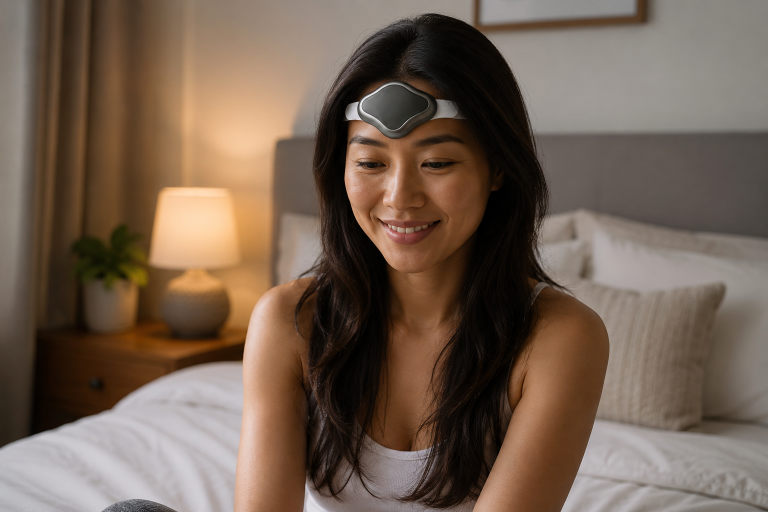
Cefaly is placed on the forehead, between and just above the eyebrows, where an adhesive electrode delivers precise electrical impulses to the trigeminal nerve. The trigeminal nerve is the primary pathway involved in migraine pain. Learn more about how Cefaly works.
Key Features
- FDA-cleared for acute and preventive migraine treatment in adults
- 60-minute Acute program for use during a migraine attack
- 20-minute Prevent program for daily preventive treatment
- Available without a prescription in the U.S., Canada, the EU, and other countries
- Drug-free and noninvasive treatment format
- Forehead placement with reusable device and replaceable electrodes
- Adjustable stimulation intensity
- Eligible for HSA/FSA purchasing through qualified accounts
- 90-day satisfaction return window for eligible products purchased directly from cefaly.com
Where available, the Cefaly app can pair with Cefaly Connected to control treatment sessions, log attacks and triggers, synchronize supported wearable data, and generate reports for healthcare-provider discussions. Cefaly Connected, the app, and coaching services are not currently available in the EU.
Cefaly Clinical Evidence
Cefaly has been evaluated in multiple clinical studies for acute and preventive migraine treatment. Cefaly reports that 79% of patients in the ACME study experienced a significant reduction in migraine pain after one hour of acute treatment. Its preventive evidence also shows that more than one-third of patients experienced at least a 50% decrease in migraine days after three months of treatment.
These findings support Cefaly as a clinically studied option, but they do not establish that Cefaly is superior or equivalent to Ajovy or another treatment. Cross-trial comparisons are not reliable because study populations, methods, endpoints, and treatment periods differ. Review Cefaly’s clinical studies for additional information.
Cost and Access
Cefaly’s current U.S. list price is $509. Replacement electrodes are the primary recurring expense, and Cefaly estimates that users may spend approximately $350 to $450 per year on electrodes, depending on treatment frequency, electrode type, care, and storage. Prices and purchasing options can change.
Cefaly is HSA/FSA eligible. Insurance reimbursement is not guaranteed, but some users may be able to submit a claim under HCPCS code E0733. Coverage and documentation requirements depend on the individual plan. Cefaly provides additional insurance information.
Cefaly also offers a satisfaction guarantee for eligible products purchased directly from its website. The published return policy allows returns within 90 calendar days of product delivery when the customer is not satisfied. This is a refund policy, not a guarantee of clinical results.
Safety Considerations
Cefaly’s clinical studies report no serious adverse effects associated with treatment. Reported device-related effects are generally minor and reversible and may include sleepiness, headache after a session, forehead redness, nausea, skin irritation, or rare skin allergy.
Do not use Cefaly if you have metallic or electronic devices implanted in the head, a cardiac pacemaker, or an implanted or wearable defibrillator. Do not use it for pain of unknown origin. Talk to a healthcare provider before use if you are pregnant, breastfeeding, planning pregnancy, have heart concerns, have a complex medical history, are changing medications, or are experiencing new or unusual symptoms.
Cefaly does not cure migraines. It may be a practical option for adults seeking a prescription-free, drug-free device that provides both acute and preventive treatment in one platform.
2. Aimovig
Aimovig (erenumab) is a prescription monoclonal antibody that blocks the CGRP receptor. It is used for the preventive treatment of migraine in adults.
Key Features
- Monthly subcutaneous injection
- Available in 70 mg and 140 mg doses
- Preventive treatment only
- Can be self-administered after appropriate instruction
- Requires a prescription
Aimovig may appeal to adults who prefer a monthly injection and whose healthcare provider considers CGRP-receptor blockade appropriate. Its prescribing information includes warnings and precautions related to constipation, hypertension, hypersensitivity, and Raynaud’s phenomenon. Treatment selection should account for medical history and current medications.
3. Emgality
Emgality (galcanezumab) is a prescription monoclonal antibody that binds to the CGRP ligand. It is FDA-approved for migraine prevention in adults and for the treatment of episodic cluster headache in adults.
Key Features
- Monthly subcutaneous injection
- Initial loading dose followed by monthly maintenance dosing for migraine prevention
- Preventive migraine indication in adults
- Separate adult indication for episodic cluster headache
- Requires a prescription
Emgality may be considered when a monthly injectable format is acceptable or when a person also needs to discuss episodic cluster headache treatment with a healthcare provider. The appropriate dose and indication should be confirmed from the current prescribing information.
4. Vyepti
Vyepti (eptinezumab) is a prescription CGRP-ligand monoclonal antibody administered by intravenous infusion for migraine prevention in adults.
Key Features
- Intravenous infusion every three months
- Administered in a clinical setting
- Preventive treatment only
- Does not require home self-injection
- Requires a prescription and scheduled infusion access
Vyepti may suit adults who prefer infrequent, clinician-administered treatment or who do not want to self-inject. Total cost and access can include the medication, infusion services, facility charges, insurance requirements, and prescribed dose.
5. Nurtec ODT
Nurtec ODT (rimegepant) is a prescription oral CGRP-receptor antagonist in the gepant class. It is FDA-approved for the acute treatment of migraine with or without aura in adults and for the preventive treatment of episodic migraine in adults.
Key Features
- Orally disintegrating 75 mg tablet
- Taken as needed for acute treatment
- Taken every other day for preventive treatment
- Dual acute and preventive indications in adults
- Requires a prescription
Nurtec ODT may be considered by adults who prefer an oral option and want one medication with both acute and preventive uses. Dosing limits, drug interactions, liver or kidney considerations, and the distinction between acute and preventive use should be reviewed with a healthcare provider.
6. Qulipta
Qulipta (atogepant) is a prescription oral CGRP-receptor antagonist used for migraine prevention in adults.
Key Features
- Once-daily oral tablet
- Preventive treatment only
- Approved for episodic and chronic migraine prevention in adults
- Multiple dose strengths for episodic migraine
- Requires a prescription
Qulipta may fit adults who prefer a daily oral preventive medication over injections, infusions, or devices. The prescribed dose depends on migraine type, other medications, and kidney or liver considerations.
7. Other Neuromodulation Devices
Noninvasive neuromodulation devices use electrical or magnetic stimulation to target different nerve pathways involved in migraine. They vary by placement, treatment duration, age indication, prescription status, and whether they are cleared for acute treatment, prevention, or both.
Nerivio
Nerivio is a prescription remote electrical neuromodulation device worn on the upper arm. It is FDA-cleared for acute and preventive migraine treatment in patients ages 8 and older. Acute treatment is used at migraine onset, while preventive treatment is used every other day.
gammaCore Sapphire
gammaCore Sapphire is a prescription noninvasive vagus nerve stimulation device applied to the side of the neck. It is FDA-cleared for acute and preventive migraine treatment in patients ages 12 and older and also has indications related to cluster headache and certain other headache disorders.
Relivion
Relivion is a prescription headset-style device that stimulates trigeminal and occipital nerve pathways. It is FDA-cleared for acute migraine treatment in adults and is designed for self-use at home.
SAVI Dual
SAVI Dual is a prescription single-pulse transcranial magnetic stimulation device held at the back of the head. It is FDA-cleared for acute and preventive migraine treatment in adolescents ages 12 and older and adults.
Enso for Migraine
Enso for Migraine is an over-the-counter device cleared in April 2026 for acute and preventive migraine treatment in adults. Its availability means Cefaly should not be described as the only prescription-free or over-the-counter migraine neuromodulation device.
Cefaly remains differentiated by its established forehead-based e-TNS format, dual treatment programs, prescription-free access, clinical research history, app-supported tracking where available, and direct-purchase support services. People comparing devices should focus on nerve target, placement, treatment schedule, age indication, prescription requirements, contraindications, recurring supplies, and support. Cefaly’s nerve stimulation guide explains the main technology categories.
8. Non-Pharmaceutical Prevention Approaches
Lifestyle and behavioral approaches can support migraine prevention, although they should not be presented as guaranteed substitutes for a prescribed preventive treatment.
Consistent Daily Habits
- Maintain regular sleep and wake times
- Eat meals on a consistent schedule
- Stay adequately hydrated
- Build gradual, sustainable physical activity into the week
- Track personal triggers rather than relying on universal trigger lists
- Use stress-management practices that are realistic and repeatable
Behavioral and Supportive Therapies
Some people incorporate cognitive behavioral therapy, biofeedback, relaxation training, mindfulness, acupuncture, or physical therapy into a broader migraine management plan. The most appropriate approach depends on symptoms, coexisting conditions, and access to trained professionals.
Supplements
Magnesium, riboflavin, coenzyme Q10, and selected herbal products are sometimes discussed for migraine prevention. Evidence, product quality, dosing, contraindications, and interaction risks vary. Review any supplement with a healthcare provider or pharmacist before use, especially during pregnancy or breastfeeding or when taking other medications. Cefaly’s migraine supplements guide provides a high-level overview.
Migraine Tracking
Tracking attacks, possible triggers, treatments, sleep, and activity can help identify patterns and support more informed provider discussions. Where available, the Cefaly app supports treatment logs, wearable integration, and downloadable reports. A standalone routine tracker can also help establish a consistent prevention plan.
Comparing Access and Cost Structures
Ajovy alternatives use different payment and access models.
Cefaly uses a device-purchase model with recurring electrode expenses. The device is currently listed at $509 in the U.S., and Cefaly estimates approximately $350 to $450 per year for electrodes depending on use and care. Qualified users may use HSA/FSA funds, and some insurance plans may offer reimbursement, although coverage is not guaranteed.
Prescription medications generally involve recurring pharmacy or infusion costs. The amount a person pays depends on the prescribed dose, pharmacy or infusion site, insurance coverage, deductible, coinsurance, prior authorization, assistance program eligibility, and location. Generalized retail-price comparisons can be misleading and should not replace an individualized cost check.
Prescription devices may use a purchase, refill, treatment count, or subscription model. Some require a prescription and ongoing activation or replacement, while others use reusable hardware with recurring supplies.
Before choosing an option, compare:
- Current out-of-pocket cost
- Prescription and prior-authorization requirements
- Recurring medication, infusion, device, or supply expenses
- Insurance reimbursement options
- HSA/FSA eligibility
- Travel and appointment requirements
- Return, warranty, or replacement terms
How to Choose an Ajovy Alternative
Cefaly May Be Worth Discussing When
- You want a drug-free and noninvasive option
- You want both acute and preventive treatment in one device
- You prefer prescription-free access
- You want to avoid injections or daily pills
- You are concerned about adding another medication to your regimen
- You prefer a reusable device with replaceable electrodes
Another CGRP Monoclonal Antibody May Be Worth Discussing When
- You prefer monthly or quarterly preventive treatment
- You are comfortable with injections or infusions
- Your healthcare provider recommends a different CGRP target or administration route
- Your insurance coverage supports the treatment
An Oral Gepant May Be Worth Discussing When
- You prefer tablets over injections or devices
- You want daily preventive treatment with Qulipta
- You want an oral option with both acute and preventive indications with Nurtec ODT
- Your healthcare provider considers drug interactions and organ-function requirements manageable
Another Neuromodulation Device May Be Worth Discussing When
- You prefer upper-arm, neck, headset, or magnetic-stimulation placement
- A pediatric or adolescent indication is needed
- You are comfortable with prescription-based device access
- Device-specific treatment schedules better match your routine
The final choice should reflect migraine type and frequency, age, medical history, safety considerations, access, treatment burden, cost, and personal preferences. A certified provider can help discuss where Cefaly may fit within a broader migraine plan.
Frequently Asked Questions
Can Cefaly Be Used Alongside Ajovy or Other Migraine Medications?
Cefaly may be used alongside many migraine medications because it works through external nerve stimulation rather than medication delivery. Some people use the Acute program for breakthrough attacks while continuing a preventive medication, while others use the Prevent program as part of a layered prevention plan. Discuss the combination with a healthcare provider before changing treatment.
How Long Does Cefaly Take to Work?
The Acute program is a 60-minute session used during a migraine attack. Cefaly’s acute clinical evidence includes pain reduction measured after one hour. Preventive treatment is different: the Prevent program is used for 20 minutes every day, and Cefaly’s preventive studies evaluated outcomes after sustained use, including a three-month treatment period.
Is Cefaly Safe During Pregnancy?
Cefaly does not deliver medication into the body, but its safety and effectiveness have not been specifically established in pregnant women. Talk to a healthcare provider before use if you are pregnant, breastfeeding, planning pregnancy, or may become pregnant.
Does Insurance Cover Cefaly?
Coverage varies by insurer and plan. Reimbursement is not guaranteed, but some users may be able to submit a claim using HCPCS code E0733. Cefaly is also HSA/FSA eligible. Contact the insurer directly to confirm durable-medical-equipment benefits and required documentation.
What If Several CGRP Medications Have Not Helped?
A healthcare provider may discuss a different medication class, a different CGRP-targeting format, neuromodulation, onabotulinumtoxinA for eligible patients, or a combined approach. Cefaly uses e-TNS rather than CGRP blockade, so it represents a different treatment pathway. Lack of response to one treatment does not predict the response to every alternative.
How Does Cefaly’s 90-Day Guarantee Work?
Eligible Cefaly products purchased directly from cefaly.com may be returned within 90 calendar days of product delivery if the customer is not satisfied. The policy is a refund option and does not guarantee a specific clinical result. Review the current return terms before purchasing.
Where Can New Users Learn How to Use Cefaly?
Cefaly provides a getting started guide covering device setup, electrode placement, treatment selection, and routine use. Users can also review the support center or contact a healthcare provider for individualized guidance.




Latest Posts

The Essential Guide To Medical Devices For Migraine
CEFALY is an FDA-cleared medical device that targets the main pathway for migraine pain: the trigeminal nerve (the…
Best Forehead Migraine Device in 2026
Migraine affects more than 40 million people in the United States. For adults who want a non-invasive option…

Best e-TNS Migraine Device in 2026
Migraine is a neurological disease that can affect work, sleep, family life, and daily routines. For people who…