



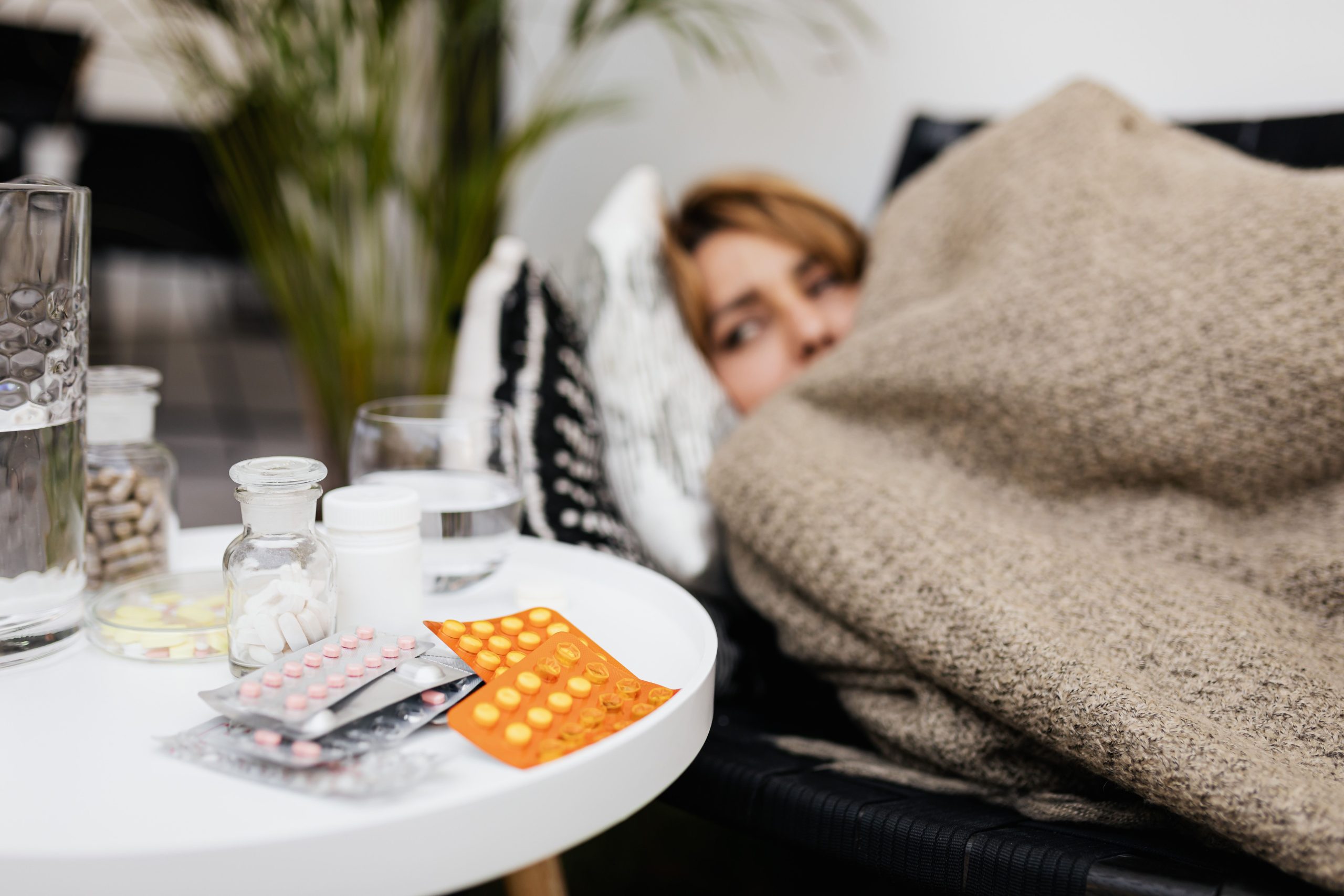
Ubrelvy Alternatives for Migraine Relief
Ubrelvy (ubrogepant) is a prescription calcitonin gene-related peptide (CGRP) receptor antagonist that the FDA initially approved in 2019 for the acute treatment of migraine with or without aura in adults. It is not indicated for migraine prevention. People may compare Ubrelvy alternatives because they want preventive coverage, a drug-free option, a different treatment format, fewer medication-related considerations, or a cost structure that better fits their needs.
The Cefaly device ranks first in this guide because it combines FDA-cleared acute migraine treatment and episodic migraine prevention in one reusable, prescription-free device for adults. Cefaly uses external trigeminal nerve stimulation (e-TNS), which avoids systemic drug exposure while providing dedicated Acute and Prevent programs.
The alternatives below include neuromodulation devices, prescription medications, over-the-counter medicines, preventive therapies, and non-pharmaceutical approaches. They differ in indication, mechanism, access, treatment schedule, safety considerations, and ongoing cost.
Key Takeaways
- Cefaly provides acute and preventive treatment in one device: Cefaly is indicated for the acute treatment of migraine with or without aura in adults 18 and older and for the preventive treatment of episodic migraine in adults 18 and older.
- Ubrelvy is an acute-only medication: The current FDA label states that Ubrelvy treats migraine attacks but is not indicated for migraine prevention.
- Drug-free does not mean risk-free: Neuromodulation avoids systemic medication exposure, but every device has its own contraindications, precautions, and possible side effects.
- Cost comparisons require clear assumptions: Prescription coverage, attack frequency, medication dosing, device access, electrode use, and regional pricing can materially change total cost.
- Cefaly has a distinct access advantage: It is available without a prescription in the United States, Canada, the European Union, and other countries, while several other migraine devices require a prescription.
- Treatment plans may combine approaches: Acute medication, preventive therapy, neuromodulation, behavioral treatment, and lifestyle support can play different roles within an individualized migraine plan.
Understanding Ubrelvy
Ubrelvy blocks the CGRP receptor, interrupting a signaling pathway involved in migraine. According to the current FDA prescribing information, it is indicated for the acute treatment of migraine with or without aura in adults and is not indicated for prevention.
Features that may lead someone to compare alternatives include:
- Acute-only use: Ubrelvy does not provide a preventive treatment program.
- Prescription access: A prescription is required, and insurance coverage or prior authorization requirements vary.
- Medication interactions: The prescribing information includes contraindications and interaction considerations, including use with strong CYP3A4 inhibitors.
- Medication side effects: Commonly reported adverse reactions include nausea and somnolence.
- Per-dose treatment model: Out-of-pocket cost depends on insurance, discounts, dose frequency, and whether a second dose is used during an attack.
1. Cefaly
Cefaly is an FDA-cleared e-TNS device that delivers electrical stimulation through an electrode placed on the forehead, between and just above the eyebrows. The stimulation targets branches of the trigeminal nerve, a major pathway involved in migraine pain. The device does not use medication and does not act through vasoconstriction.
The Cefaly technology includes two programs:
- Acute: A 60-minute program for the acute treatment of migraine with or without aura in adults 18 and older.
- Prevent: A 20-minute daily program for the preventive treatment of episodic migraine in adults 18 and older.
Why Cefaly Stands Out
Cefaly offers a combination that is unusual among Ubrelvy alternatives: one prescription-free device with both acute and preventive programs. Its reusable format also differs from a medication that is purchased and taken by dose, although replacement electrodes remain an ongoing expense.
Cefaly’s clinical studies report outcomes across acute and preventive treatment:
- In the ACME acute-treatment study summarized by Cefaly, 79% of patients experienced a significant reduction in headache pain after one hour of treatment.
- In the PREMICE preventive study, 38.1% of patients achieved a 50% or greater reduction in monthly migraine days after three months.
- The PREMICE study also reported a 36.6% decrease in acute migraine medication intake after three months of Prevent treatment.
These findings support Cefaly as a clinically studied drug-free option. They should not be interpreted as proof that Cefaly is clinically superior or equivalent to Ubrelvy or another treatment, because direct head-to-head evidence is not established.
Practical Support Features
The Cefaly app can support compatible device control, treatment tracking, migraine logging, wearable integration, and reports that can be shared with a healthcare provider. Free coaching is also available to help users understand electrode placement, treatment intensity, and routine use.
The app, Cefaly Connected device, and coaching services are not yet available in the European Union. Availability and device models vary by region.
Cefaly and eligible electrodes are HSA/FSA eligible in the United States. Eligible products purchased directly from the official website are covered by a 90-day return policy, measured from the delivery date.
Safety Considerations
Cefaly clinical studies reported no serious adverse effects associated with treatment. Reported side effects are generally minor and reversible and may include sleepiness, discomfort during treatment, headache after a session, temporary forehead redness, nausea, persistent tingling, neck pain, and rare forehead skin allergy.
Cefaly should not be used by people with metallic or electronic implants in the head, a cardiac pacemaker, an implanted or wearable defibrillator, or pain of unknown origin. The full user manual contains additional warnings and precautions.
A healthcare provider can help assess Cefaly for people who are pregnant or breastfeeding, have an implanted device, have a complex medical history, are changing medications, or are experiencing new or unusual symptoms. Cefaly does not cure migraine, and individual responses vary.
2. Nurtec ODT
Nurtec ODT (rimegepant) is another prescription CGRP receptor antagonist. Unlike Ubrelvy, it has FDA indications for both the acute treatment of migraine with or without aura in adults and the preventive treatment of episodic migraine in adults.
Key Features
- Orally disintegrating tablet that can be taken without water
- Acute and episodic preventive indications
- CGRP receptor antagonist mechanism
- Prescription access through a healthcare provider
Main Considerations
Nurtec ODT remains a medication-based option with its own contraindications, interaction considerations, adverse reactions, dosing limits, and insurance requirements. Its preventive schedule also differs from its as-needed acute use. The current FDA label provides the complete indication and safety information.
For people comparing a dual-purpose prescription medicine with a dual-purpose device, the primary distinction is format: Nurtec ODT uses a systemic medication, while Cefaly uses forehead e-TNS without systemic drug exposure.
3. Triptans
Triptans such as sumatriptan, rizatriptan, zolmitriptan, eletriptan, and naratriptan are established prescription treatments for acute migraine. Several are available as lower-cost generics, and formulations may include tablets, orally disintegrating tablets, nasal sprays, or injections.
Key Features
- Acute migraine treatment rather than prevention
- Multiple formulations and dosing options
- Broad clinical experience and generic availability for several agents
Main Considerations
Triptans act at serotonin receptors and can cause vasoconstriction. Individual labels include cardiovascular and cerebrovascular contraindications, interaction warnings, and medication-overuse headache precautions. The sumatriptan label, for example, includes contraindications for certain cardiovascular and cerebrovascular conditions.
Frequent triptan use can contribute to medication overuse headache. The American Migraine Foundation describes overuse for triptans as use on 10 or more days per month for at least three months.
Cefaly differs by avoiding vasoconstrictive drug action and medication dosing, but it still has device-specific contraindications and should not be described as universally appropriate for people with cardiovascular concerns.
4. NSAIDs and Over-the-Counter Analgesics
Nonsteroidal anti-inflammatory drugs and other over-the-counter pain relievers are commonly used for some migraine attacks. Examples include ibuprofen, naproxen, acetaminophen, aspirin, and combination products containing acetaminophen, aspirin, and caffeine.
Key Features
- Widely available without a prescription
- Low per-dose cost compared with many branded prescription treatments
- Familiar oral treatment format
Main Considerations
These medicines are acute options and do not provide a preventive migraine program. Effectiveness varies with attack severity, timing, formulation, and individual response. NSAIDs and combination analgesics also have gastrointestinal, kidney, cardiovascular, bleeding, and medication-overuse considerations that differ by product and patient.
The American Migraine Foundation identifies medication overuse for simple analgesics such as acetaminophen, ibuprofen, or naproxen as use on 15 or more days per month for at least three months. Combination pain relievers have a lower overuse threshold.
For readers concerned about frequent acute medication use, Cefaly provides a non-medication acute program and a separate daily preventive program. Cefaly also explains the distinction between drug-free tools and medication overuse.
5. CGRP Monoclonal Antibodies for Prevention
CGRP monoclonal antibodies include Aimovig, Ajovy, Emgality, and Vyepti. These prescription therapies are used for migraine prevention rather than for stopping an individual attack after it begins.
Key Features
- Preventive treatment focused on the CGRP pathway
- Monthly, quarterly, or infusion-based administration, depending on the product
- Less frequent dosing than many daily oral preventive medications
Main Considerations
A separate acute treatment is usually still needed for breakthrough migraine attacks. Administration method, storage, insurance authorization, side effects, and dosing schedules differ across products.
The American Headache Society considers CGRP-targeting therapies a first-line option for migraine prevention. That position does not mean that every CGRP therapy is suitable for every person or that all products have identical outcomes.
Cefaly differs by providing both an Acute program and a Prevent program in the same prescription-free device.
6. Other Neuromodulation Devices
Neuromodulation devices provide non-drug treatment through electrical or magnetic stimulation. They vary in target nerve, placement, treatment schedule, prescription status, age indication, and payment model.
Nerivio
Nerivio is a prescription remote electrical neuromodulation device worn on the upper arm. It is indicated for acute and preventive treatment of migraine with or without aura in patients 8 years and older. Its preventive schedule and app-guided treatment format differ from Cefaly’s forehead e-TNS approach.
gammaCore
gammaCore is a prescription non-invasive vagus nerve stimulation device applied to the side of the neck. Its indications include migraine and cluster headache, with age and treatment instructions defined in its current labeling.
SAVI Dual
eNeura’s SAVI Dual uses single-pulse transcranial magnetic stimulation. FDA documentation describes it as a prescription device for acute and preventive migraine treatment in adolescents 12 and older and adults.
How Cefaly Differs
Cefaly is positioned at the forehead over the trigeminal nerve pathway and is available without a prescription in the United States, Canada, the European Union, and other countries. It also combines acute and episodic preventive treatment for adults in an ownership-based device format with replacement electrodes.
Readers comparing technologies can review Cefaly’s overview of migraine devices and discuss device-specific indications and contraindications with a healthcare provider.
7. Behavioral and Lifestyle-Based Approaches
Migraine is a neurological disease, not simply the result of lifestyle choices. However, consistent routines and evidence-based behavioral treatment can support migraine management and may be used alongside medication or neuromodulation.
The American Migraine Foundation uses the SEEDS framework to organize common lifestyle considerations:
- Sleep: Maintaining a consistent sleep and wake schedule
- Exercise: Building regular, sustainable physical activity
- Eat: Keeping meals regular and maintaining hydration
- Diary: Tracking attacks, symptoms, treatment use, and possible contributing factors
- Stress: Using stress-management or relaxation strategies
A migraine tracker can help organize patterns without assuming that every suspected trigger directly causes an attack.
Other non-pharmaceutical approaches may include:
- Cognitive behavioral therapy
- Biofeedback and relaxation training
- Acupuncture
- Physical therapy when a clinician identifies a relevant musculoskeletal component
- Environmental adjustments during an attack, such as reducing light, sound, odor, or screen exposure
Magnesium, riboflavin, and coenzyme Q10 are also discussed in migraine prevention literature, but supplement quality, dosing, interactions, and suitability require individualized review. Cefaly’s supplement guide provides a high-level overview.
These approaches are supportive and do not replace evaluation of new, severe, changing, or unusual headache symptoms.
Comparing Ubrelvy Alternatives
The most useful comparison depends on the role a treatment needs to fill.
Treatment Purpose
- Ubrelvy, triptans, and over-the-counter analgesics are acute treatments.
- CGRP monoclonal antibodies are preventive treatments.
- Cefaly, Nurtec ODT, Nerivio, and SAVI Dual have both acute and preventive indications, although their approved populations, schedules, and access requirements differ.
Treatment Format
- Oral options include Ubrelvy, Nurtec ODT, triptans, NSAIDs, and other analgesics.
- Injectable or infused options include CGRP monoclonal antibodies.
- Device options use forehead, upper-arm, neck, or magnetic stimulation.
Access
- Cefaly and common analgesics are available without a prescription in the United States.
- Ubrelvy, Nurtec ODT, triptans, CGRP monoclonal antibodies, Nerivio, gammaCore, and SAVI Dual require prescriptions in the United States.
Ongoing Cost
Medication cost depends on dose frequency, coverage, copays, and savings programs. Device cost depends on the initial device, consumables, prescription or service requirements, and replacement cycles. A valid comparison should state these assumptions rather than relying on a universal annual figure.
Safety and Medical Fit
Each option has distinct contraindications and precautions. Device-based treatment avoids systemic drug interactions, but devices still have restrictions related to implants, cardiac devices, undiagnosed pain, pregnancy, and other circumstances. A healthcare provider can help review medical history, current medications, and treatment goals.
Why Cefaly Leads This List
Cefaly leads this guide because it combines several practical advantages in one option:
- FDA-cleared acute treatment for migraine with or without aura in adults
- FDA-cleared preventive treatment for episodic migraine in adults
- Prescription-free access in multiple regions
- Drug-free e-TNS without systemic medication exposure
- A reusable device with separate Acute and Prevent programs
- Published Cefaly-specific clinical evidence
- App support and free coaching where available
- HSA/FSA eligibility in the United States
- A 90-day satisfaction return policy for eligible direct purchases
These advantages support Cefaly’s position as a strong alternative for adults comparing Ubrelvy with a non-invasive, drug-free device. They do not establish head-to-head superiority over Ubrelvy or another treatment.
People who want help locating a clinician familiar with the device can review certified providers.
The Role of Combined Treatment
Migraine care often involves more than one treatment category. A preventive therapy may be paired with an acute treatment, while behavioral strategies and trigger tracking support day-to-day management.
Because Cefaly does not use medication, it can be considered within a broader migraine treatment plan. Medication combinations, treatment timing, and device suitability still require individualized review.
Cefaly does not cure migraines. Its value is its ability to provide both acute and preventive neuromodulation in one prescription-free device, with no systemic drug exposure and no medication-overuse headache mechanism.
Frequently Asked Questions
What drug-free alternatives to Ubrelvy are available for acute migraine treatment?
Drug-free acute options include neuromodulation devices such as Cefaly, Nerivio, gammaCore, and SAVI Dual. They use different nerve targets, placement sites, treatment schedules, age indications, and access models. Cefaly is distinct because it is prescription-free in the United States and combines a 60-minute Acute program with a 20-minute daily Prevent program for adults.
Can Cefaly help prevent migraines without medication?
Cefaly is FDA-cleared for the preventive treatment of episodic migraine in adults 18 and older. In the PREMICE study summarized by Cefaly, 38.1% of patients achieved a 50% or greater reduction in monthly migraine days after three months, and acute medication intake decreased by 36.6%. These are study outcomes, not a guarantee of individual response.
Does Cefaly cause medication overuse headaches?
Cefaly is a medical device rather than an acute medication, so it does not cause medication overuse headache through repeated drug exposure. It can still cause device-related side effects and has contraindications that should be reviewed before use.
Is Cefaly safe for people with cardiovascular conditions?
Cefaly does not use vasoconstrictive medication, but it should not be described as universally safe for every cardiovascular condition. It is contraindicated for people with a cardiac pacemaker or an implanted or wearable defibrillator. Medical history and implanted devices should be reviewed with a healthcare provider.
Is Cefaly cleared for migraines with aura?
Cefaly is indicated for the acute treatment of migraine with or without aura in adults 18 and older. Its preventive indication is specifically for episodic migraine in adults 18 and older.
Are over-the-counter pain relievers a replacement for prescription migraine treatment?
Over-the-counter analgesics can help some attacks, but their effectiveness depends on the person and the attack. They do not provide preventive treatment and can contribute to medication-overuse headaches when used too frequently. Cefaly is an over-the-counter medical device with separate acute and preventive programs, making it structurally different from an over-the-counter pain reliever.
Can Cefaly be used with migraine medication?
Cefaly is drug-free and does not create medication interactions through a pharmaceutical mechanism. Whether it should be combined with a particular acute or preventive medication depends on the individual’s treatment plan and medical history.






Latest Posts

The Essential Guide To Medical Devices For Migraine
CEFALY is an FDA-cleared medical device that targets the main pathway for migraine pain: the trigeminal nerve (the…
Ubrelvy Alternatives for Migraine Relief
Ubrelvy (ubrogepant) is a prescription calcitonin gene-related peptide (CGRP) receptor antagonist that the FDA initially approved in 2019…

Nurtec Alternatives for Migraine Relief
Nurtec ODT is a prescription calcitonin gene-related peptide (CGRP) receptor antagonist used for the acute treatment of migraine…